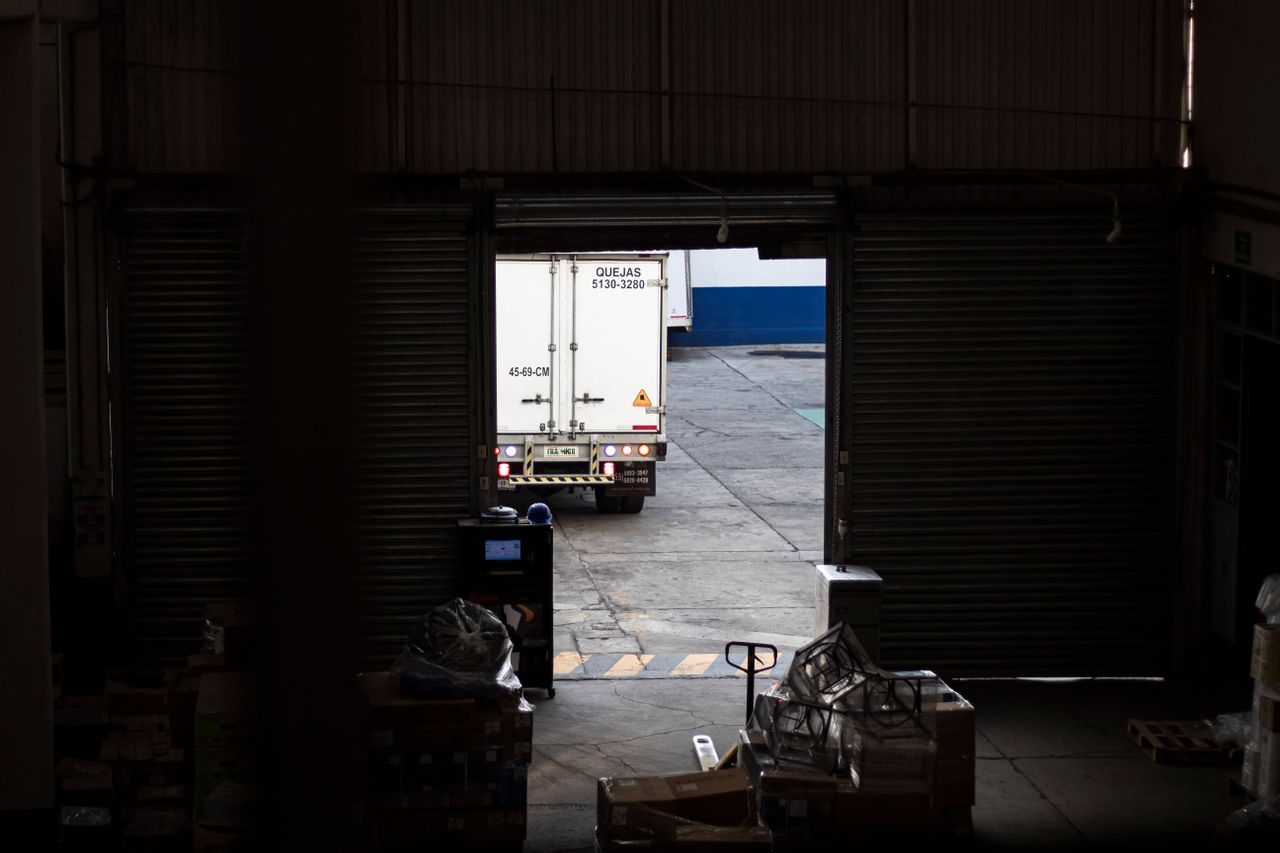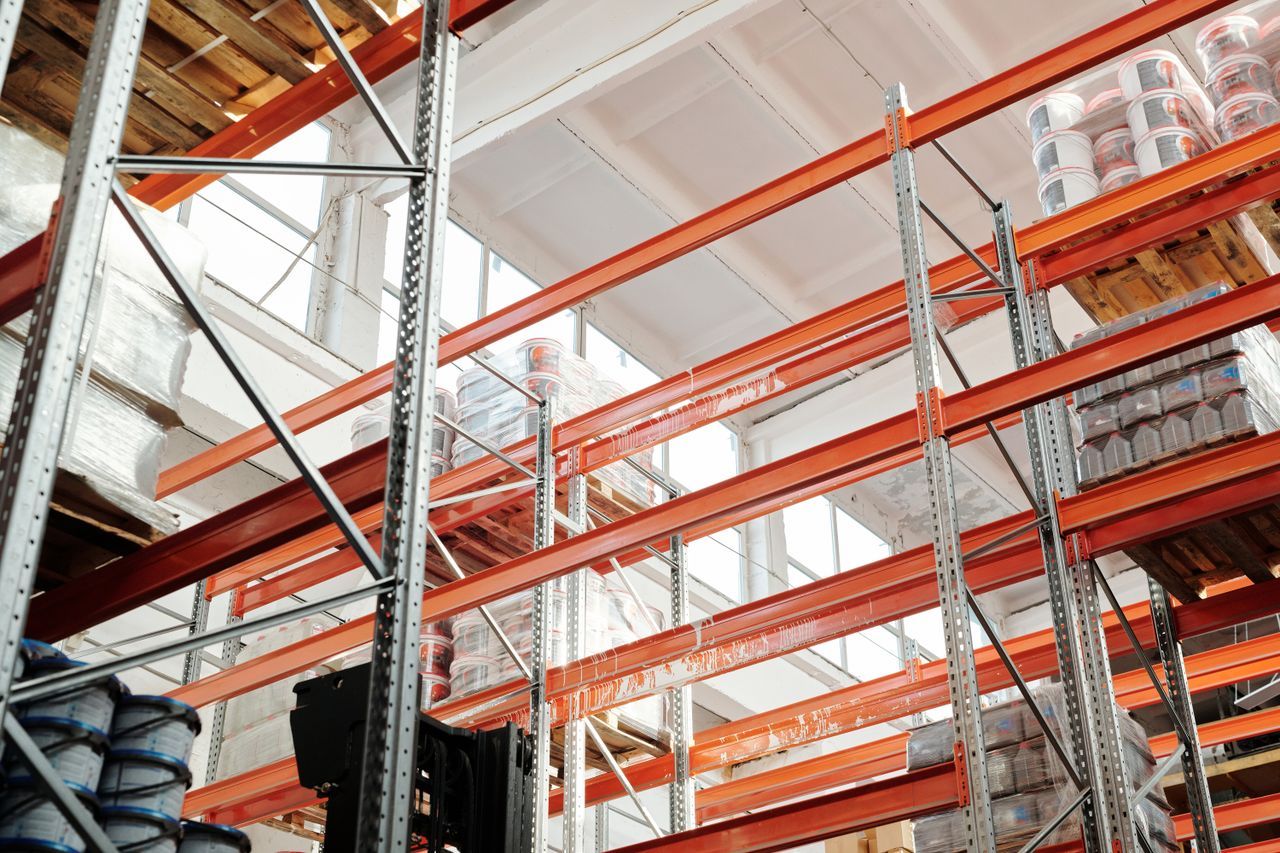
Every food distributor plans to never need a recall. Few plan for what actually happens on the day one lands anyway — a supplier calls about a contaminated batch, or MPI issues a notice, and suddenly someone has an hour or two to answer a simple-sounding question: which of our stock is affected, and which customers did it go to? If the answer lives in purchase records, a warehouse whiteboard and sales history that all have to be cross-referenced by hand, that "hour or two" turns into a very long day — with product potentially still moving while you work it out.
Why traceability breaks down without a system behind it
Most distributors already record a supplier and a received date against stock. Far fewer capture the actual batch or lot number at goods-in and then carry it through every stock movement, pick and invoice that follows. Without that thread, a recall means going back to paper delivery dockets or supplier invoices to work out which batch is which, then manually checking which sales orders drew from that stock — a process that's slow, error-prone under pressure, and impossible to prove to a regulator or a nervous customer after the fact.
It's the same underlying problem we see across food and beverage distribution: data that's real at the moment it's created — a batch number scanned in at goods-in, a weight captured at pack — becomes unreliable the moment it's copied into a second system or a spreadsheet, because the two stop matching the instant either one is updated on its own.
What real batch and lot traceability should look like
Traceability that actually holds up under pressure isn't a separate compliance exercise bolted on afterwards — it's the same batch number flowing through the same system as everything else:
- The batch or lot number is captured once, at goods-in, against that specific purchase
- Stock on hand carries the batch number through every movement — receiving, put-away, picking — not just a total quantity
- Each sales line and invoice records which batch was actually shipped, not just which product
- A lookup runs both directions: batch → every customer it went to, or customer/order → every batch they received
Built this way, "which customers received batch X" is a query against live data, not a research project — and it's just as useful for a routine quality query or a supplier dispute as it is for an actual recall.
Why bigger customers expect it, even without a recall
Supermarkets, foodservice distributors and exporters increasingly treat traceability as table stakes for supplying them at all — not because they expect a recall, but because it's the difference between a supplier they can trust with a problem and one they can't. That's exactly the kind of requirement that shows up as a condition in a bigger contract, not a nice-to-have — and it's much cheaper to have built in already than to scramble for it once a customer asks. It sits alongside the same set of expectations we see through food distribution generally: real stock control, accurate customer pricing, and now, increasingly, proof of where every batch has gone.
Built around how your business actually receives and ships stock
How traceability needs to work differs by distributor — some only need a lot number carried through to invoice, others also need expiry dates, supplier certificates or country-of-origin recorded at the batch level, or traceability that extends to raw ingredients used in a produced item. Rather than sell a generic traceability checkbox, we build the logic around how your goods-in, stock and invoicing actually work today. Tell us your problem and we build it into your Cognit system.
Getting recall-ready before you have to be
If a batch lookup today means someone digging through paper dockets and hoping the sales history lines up, it's worth talking through what traceability should look like in your system before you're doing it under pressure. See pricing or get in touch to talk through how your business receives and ships stock specifically.
Frequently asked questions
What is batch and lot traceability, and why does it matter for food distributors?
Batch (or lot) traceability means every unit of stock you receive, store and ship is linked back to the specific batch it came from — so if a supplier or MPI issues a recall on one batch, you can immediately identify which stock is affected and which customers received it. Without it, a recall means manually cross-referencing purchase records, stock movements and sales history by hand, under time pressure, while affected product may still be moving through your business.
Does Cognit have batch and lot traceability built in already?
Traceability requirements vary a lot by distributor — some need lot numbers tracked through purchasing, stock and sales; others also need expiry dates, supplier certificates or country-of-origin data attached at the batch level. Rather than sell a generic traceability module, we build it around how your business actually receives, stores and ships stock. Tell us your problem and we build it into your Cognit system.
Do we need full traceability if we're not currently required to have it?
Even without a regulatory or contractual requirement today, many larger customers — supermarkets, foodservice distributors, exporters — increasingly ask suppliers to demonstrate traceability as a condition of doing business. Building it in before it's demanded avoids a scramble later, and in the meantime it also makes any recall, quality issue or stock discrepancy far faster to resolve.
How does batch traceability connect to stock and invoicing?
To be useful in a real recall, batch or lot numbers need to be captured once at goods-in and then carried automatically through stock movements, picking and the sales invoice — not tracked separately in a spreadsheet that has to be reconciled against the system afterwards. That way a batch lookup and a customer lookup are the same query, run against live data.
How fast should a real recall trace be?
In a genuine recall, the standard most large customers and regulators expect is being able to identify affected stock and the customers it went to within hours, not days. That speed only comes from batch data living in the same system as your orders and invoices — a paper trail assembled after the fact is too slow by the time it matters.